AI in transport: shipment updates, paperwork and fleet plans
GuideCaplan Artificial
Short answer. Start by sending customers shipment updates, since that is often why they call. AI can then check documents before departure and propose a vehicle schedule for the next day. It draws on email, spreadsheets and tracking software. Dispatchers and freight forwarders retain the final say.
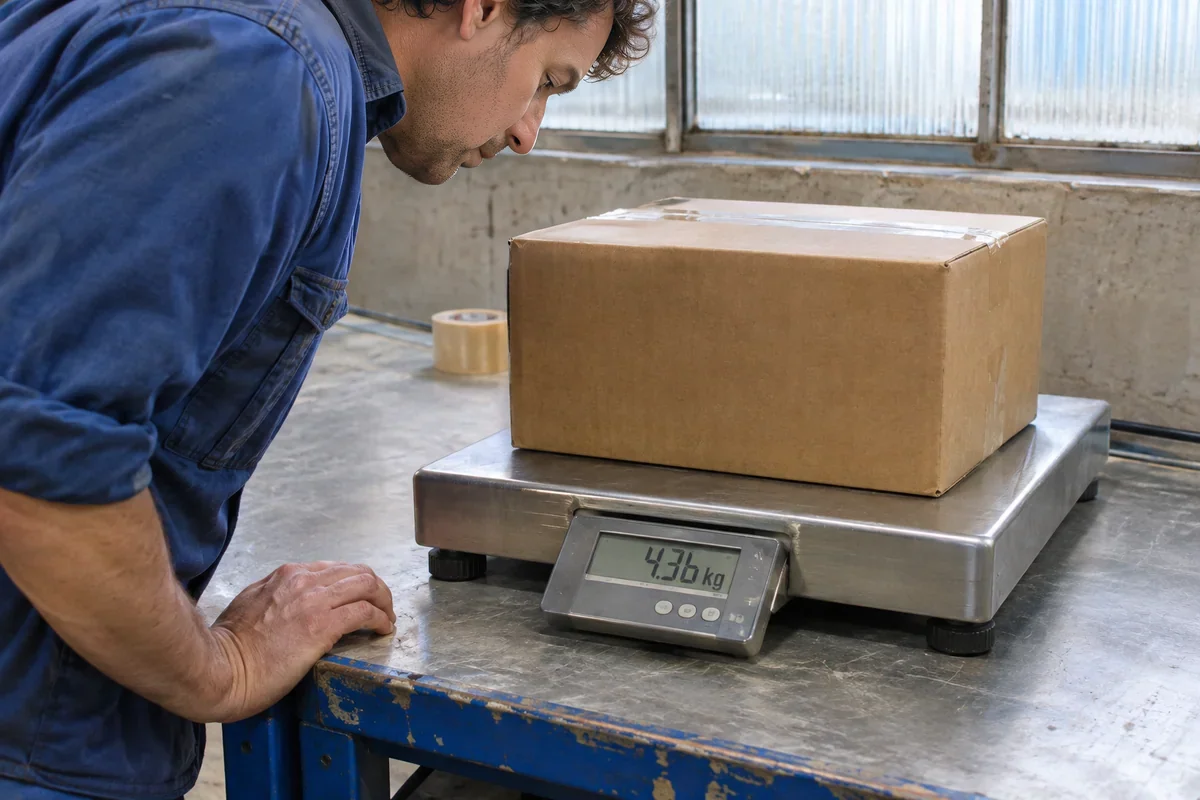
A dispatcher at a haulage company with 30 lorries gets dozens of calls a day with the same question: where is the lorry and when will it arrive. Each call lasts two minutes, but it interrupts work that needs full attention. The answer already exists in the vehicle tracking software. It just needs turning into a message for the customer, and that is a job AI does well and fast.
Where should a transport business start with AI?
Start with shipment status. Customers want updates several times a day, you already have the data and errors are easy to spot. AI reads the vehicle position and the delivery plan and replies to the customer: where the goods are, when unloading is expected and whether there are delays. The customer can ask by email, Viber or WhatsApp, and the reply goes back on the same channel. You can also send updates unprompted, for example when the lorry crosses the border or half an hour before unloading.
In the first weeks, the dispatcher can review every reply before it is sent. Once the messages prove accurate, the review narrows to exceptions, such as delays and shipments the customer is watching closely.
How do you check the paperwork before the lorry leaves?
A lorry held at the border because of a wrong weight on the invoice costs more than a whole day of planning. The mistakes are usually small. The weight on the CMR, the consignment note, does not match the invoice, a certificate is missing, or the number of pallets in the packing list differs from the consignment note.
At loading, the driver photographs the documents and sends them by Viber or email. AI compares the CMR, the invoice and the goods specification and flags every discrepancy. Before departure the forwarder gets a message showing the flagged item, asks for a correction and approves departure. AI does not decide that a document is correct; it only spots mismatches sooner. The forwarder writes the checking rules: what weight difference is allowed and which certificates each type of goods and each country requires.
Can AI draft tomorrow’s vehicle schedule?
It can propose one, and the dispatcher confirms it. In the afternoon AI gathers tomorrow's orders, free vehicles, payload, drivers' working hours and loading points, and puts together a proposed set of routes. The dispatcher gets a proposed schedule at four in the afternoon, instead of spending the evening putting one together. They can adjust it for details the system doesn’t have: a driver asked for a day off, a customer in Travnik does not take deliveries before ten. The more completely the constraints are written down, the better the proposal, for example which vehicles have refrigeration or which customer has no unloading ramp.
Where does AI get its data?
- Email. Orders and customer enquiries, from which AI pulls the loading point, unloading point and deadline.
- Spreadsheets. Excel or Google Sheets with orders, vehicles and drivers, if that is how your team keeps them.
- Tracking software. Vehicle GPS position from the system you already use. You don’t need to install anything new in the lorry.
- Photos of documents. What the driver or warehouse sends, with a clear rule on who it goes to and by which channel.
Before you start, check that these sources are up to date and who maintains them. If orders go into the spreadsheet a day late, the draft plan is a day late too. Often the first step is agreeing that orders are entered on the day they arrive.
Which decisions stay with the dispatcher?
Exceptions are a job for a person. When a lorry breaks down, when a customer changes the unloading point at the last minute or when the border is slower than usual, you need someone who knows the drivers and customers and knows what is doable. The AI does not handle agreements with a driver about overtime or a change of route. At night the AI answers status questions and leaves anything that needs a decision for the morning shift, flagged by urgency.
We set up the first automated task, such as status messages, in two weeks. You get the price in a quote after the first conversation.
Related:LogisticsCustomer support