What can AI do in a private clinic?
Questions and answersCaplan Artificial
Short answer. A private clinic can use AI for administration, such as confirming appointments, managing a waiting list or answering questions about opening hours, prices and appointment preparation from approved material. Health questions go to staff. Clinicians retain responsibility for diagnosis, advice and medical decisions.
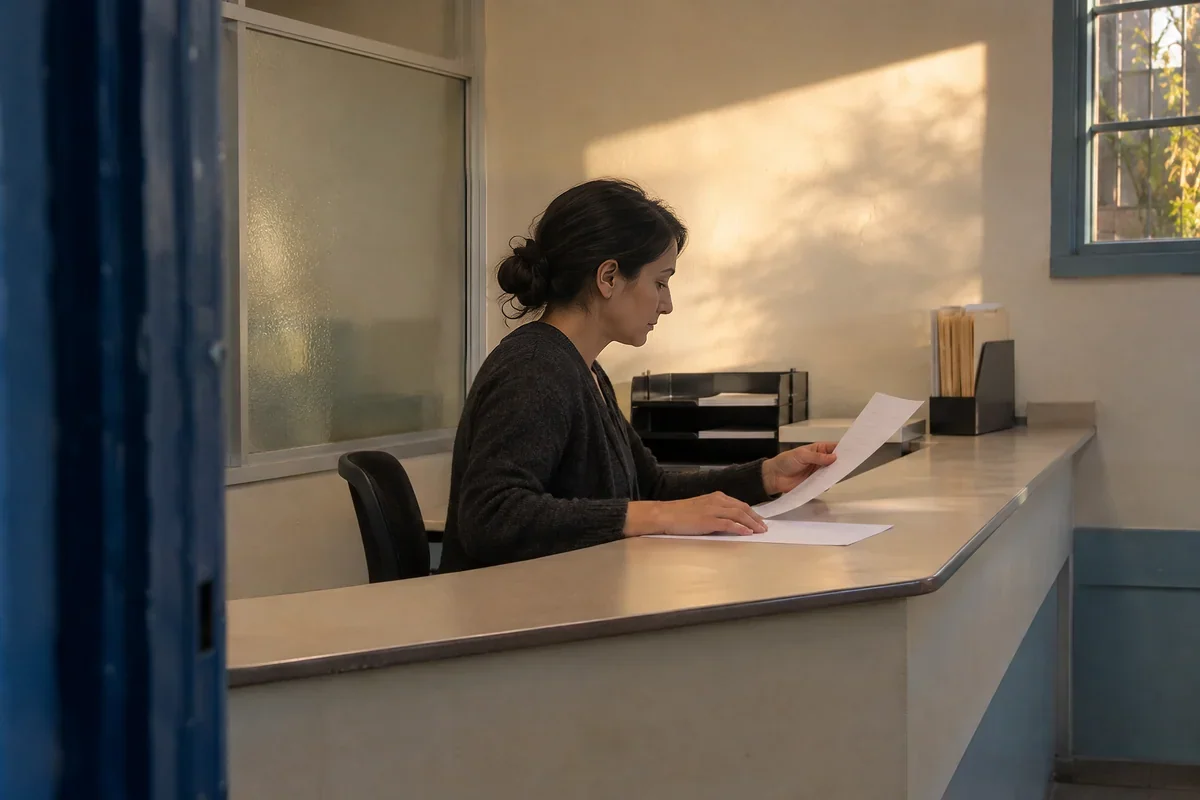
At the reception of a polyclinic with eight consulting rooms, the phone rings all day. Most calls are not medical questions. Patients want an available slot, want to move an appointment, ask how much an ultrasound costs and whether they need to fast. AI can take over that part of the work, and that is where its role ends.
Which tasks can AI handle in a clinic?
The rule is simple. AI does the admin, and everything medical stays with the doctor. AI does not interpret test results, recommend treatment or assess a patient's condition. If a patient describes symptoms in a message, AI does not respond to them. It writes that clinic staff will be in touch, gives the emergency number in case help is needed straight away, and forwards the flagged message to reception.
How do you confirm and reschedule appointments without overwhelming reception?
The day before an appointment, the AI sends the patient a reminder and records the reply. If the patient cannot come, it offers two available slots the same week and offers the freed slot to the next patient on the waiting list. In the morning, reception reviews the changes and confirms the schedule.
The reminder should be short, with the clinic's name, the date, the time and the doctor's name, but not the reason for the visit. Others in the household may see a Viber message or text, so it must not say what kind of appointment it is.
That way fewer appointments are missed just because a patient forgot or did not get round to cancelling. Reception no longer calls each patient individually and has time for the people standing in front of it. A patient who does not want messages can say so, and reception then calls them as before.
What the clinic can answer about prices, hours and preparation
Questions about prices and opening hours have one correct answer, which is in the price list. AI answers only from that price list, so when a price changes, it changes in one place. Preparation instructions, for example whether to come fasting or bring old results, are written and approved in advance by a doctor. AI passes them to the patient word for word and adds nothing of its own. If a patient asks something not covered in the approved texts, for example whether they may take their medication before the examination, AI does not answer but forwards the question to a nurse or doctor.
Which patient data should stay out of public tools?
Health data is among the most sensitive data a company holds. A patient's name together with a diagnosis, test result or treatment must not be copied into the free version of ChatGPT or any other public tool. For appointment admin, AI needs to see only the schedule and contact details, and medical records stay in the clinic's software.
- Rules before tools. Before you start, write down what staff may and may not enter into AI tools.
- Business version of the tool. Use business versions, and check in the contract and settings where data is stored and whether it is used to train models.
- As little data as possible. AI gets only what it needs for that job and nothing more.
These are general principles, not legal or medical advice. For the clinic's obligations under the rules on personal data protection and medical records, ask a lawyer.
How do you check what ChatGPT tells patients about your clinic?
Some patients ask an AI assistant for a recommendation or an address before their first visit. If the assistant gives an old address, a service you no longer offer or a doctor who has left, the patient finds out only on arrival. Checking is simple. Ask ChatGPT, Gemini and Perplexity the questions a patient would ask and save the answers with the date. You correct wrong details on your own site and in the business directories assistants take their information from.
For a company of up to thirty people, we have basic AI usage rules ready in two weeks. Request a quote for the exact price.